Nash Mills CofE Primary School
Jericho Class
Jericho Class is a small, supportive learning space at Nash Mills which offers carefully planned teaching for children who benefit from a sensory approach, predictable routines and opportunities to learn at their own pace. All the children who work in Jericho Class are not yet able to access the wider curriculum due to their Special Educational Needs.
Some pupils spend the majority of their curriculum time in Jericho class, whilst others pop in for a few sessions each week whilst working in their chronological year group for the rest of the time. This is all based on meeting each individual child's needs, socially and academically.
Why Jericho?
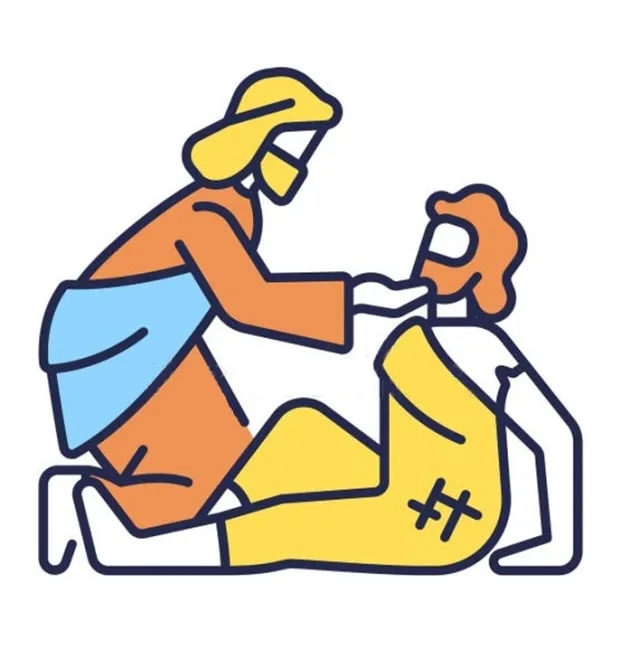
Our name comes from the Good Samaritan story, which is an important theme for our school. A traveller is on the road to Jericho when the Samaritan stops to help him. His actions remind us to notice others, show kindness and treat everyone with dignity. Jericho Class reflects our belief that every child belongs and has strengths to share with our school community. It also reminds us that we are all on a journey, walking at our own pace.
What children learn
Children follow a broad curriculum adapted to their individual starting points. Each day includes opportunities to develop communication, reading, writing, number skills, physical development and independence. Teaching may involve sensory stories, practical activities, movement, outdoor learning, Attention Autism, Intensive Interaction and Forest School.
Children revisit ideas in different ways so they have time to become familiar with them and use what they have learnt. Staff adapt activities to help each child participate, whether that means exploring an object, making a choice, communicating an idea or completing a task with greater independence.
Our curriculum
Our curriculum follows a four-year cycle of themes. This allows children to revisit important skills through different topics as they grow and progress. In 2026–27, we are teaching Year A, which explores Ourselves, Our School, and Weather and Seasons.
Within each theme, children develop communication, literacy and maths alongside science, creative learning, physical development, personal and social skills, and independence. Teaching is adapted to each child’s starting point and individual targets.
In Ourselves, children learn about their bodies and senses, familiar people, families and daily routines. They explore sounds and textures, movement, healthy routines, time and 2D shapes through stories, music, games and practical activities.
In Our School, children get to know the people and places around them. They follow routes, explore position and direction, investigate materials, share objects and take part in group activities. School walks, photographs, stories, construction and movement help them use this learning in familiar places.
In Weather and Seasons, children observe weather, plants and changes outdoors. They explore water, floating and sinking, capacity and 3D shapes, while making practical choices about clothing and comfort. Stories, art, music, food activities and outdoor learning give children different ways to explore and communicate what they notice.
Phonics or an individual literacy pathway, communication, number, movement and personal targets are practised throughout the year, both in planned lessons and during everyday routines.
Communication, wellbeing and safety
Communication runs through the whole day. Staff learn how each child expresses choices, enjoyment, discomfort and the need for help. We use the communication methods that work for them, which may include speech, signs, symbols, objects, gestures or communication devices.
Children are also taught practical personal, social and health skills through planned activities and everyday routines. Our My Body, My Voice and Keeping Safe strand includes expressing “stop” or “no”, seeking help from a familiar adult, moving safely around school and making choices about comfort and wellbeing. Staff remain responsible for recognising children’s communication and keeping them safe.
Working together
Jericho Class is part of our whole-school approach to inclusion. Class teachers, Jericho Class staff and the SENCo work together to plan learning, review progress and link teaching to each child’s individual support plan or Education, Health and Care Plan, where applicable.
A child’s time in Jericho Class and opportunities to learn alongside their class are planned around their needs. We review what is working, share progress with families and adjust support as children develop.
Keeping Children Safe
We understand that, for pupils who do not have verbal communication skills, the teaching of personal safety is very important. To support pupils, staff will teach them various skills, which may include:
· Agree each pupil’s communication signals for yes, no/stop, more, finished, help and hurt. Include signs, symbols, AAC, gestures, vocalisations, moving away and changes in behaviour; share these with all adults and family where appropriate.
· Model consent in everyday help: explain and ask before touch where possible, pause, notice the response and respect refusal. When care is necessary for health or hygiene, explain what is happening, offer choice and use the agreed intimate-care and safeguarding procedures.
· Use clear language such as wanted or unwanted, private, stop, help and hurt. Avoid classifying all touch as good or bad. Do not require physical greetings or practise touching a child’s private body areas in a lesson.
· Use real body-part names and a simple privacy explanation when developmentally appropriate. A child may first learn that areas covered by underwear are private; teaching and personal-care support must remain individual and dignified.
· Repeated practice should help the child communicate and seek support. Adults are responsible for noticing distress, protecting the child, recording concerns and following safeguarding procedures.
If you would like to discuss Jericho Class or your child’s support, please speak to their class teacher or the SENCo.